Professional Roof Repair for Shingle Repair
Key Indicators Your Roof Requires Repair: Expert Roof Services for Residential Customers
Homeowners frequently miss telltale indicators that indicate a roof may need repair. Missing shingles, discoloration, and moisture accumulation can serve as indicators of deeper structural problems. Neglecting these problems could allow them to escalate, undermining the safety and stability of the home. Recognizing these indicators is essential for preserving both safety and property value. However, knowing when to seek expert assistance can be challenging. What factors should homeowners consider before making that decision?
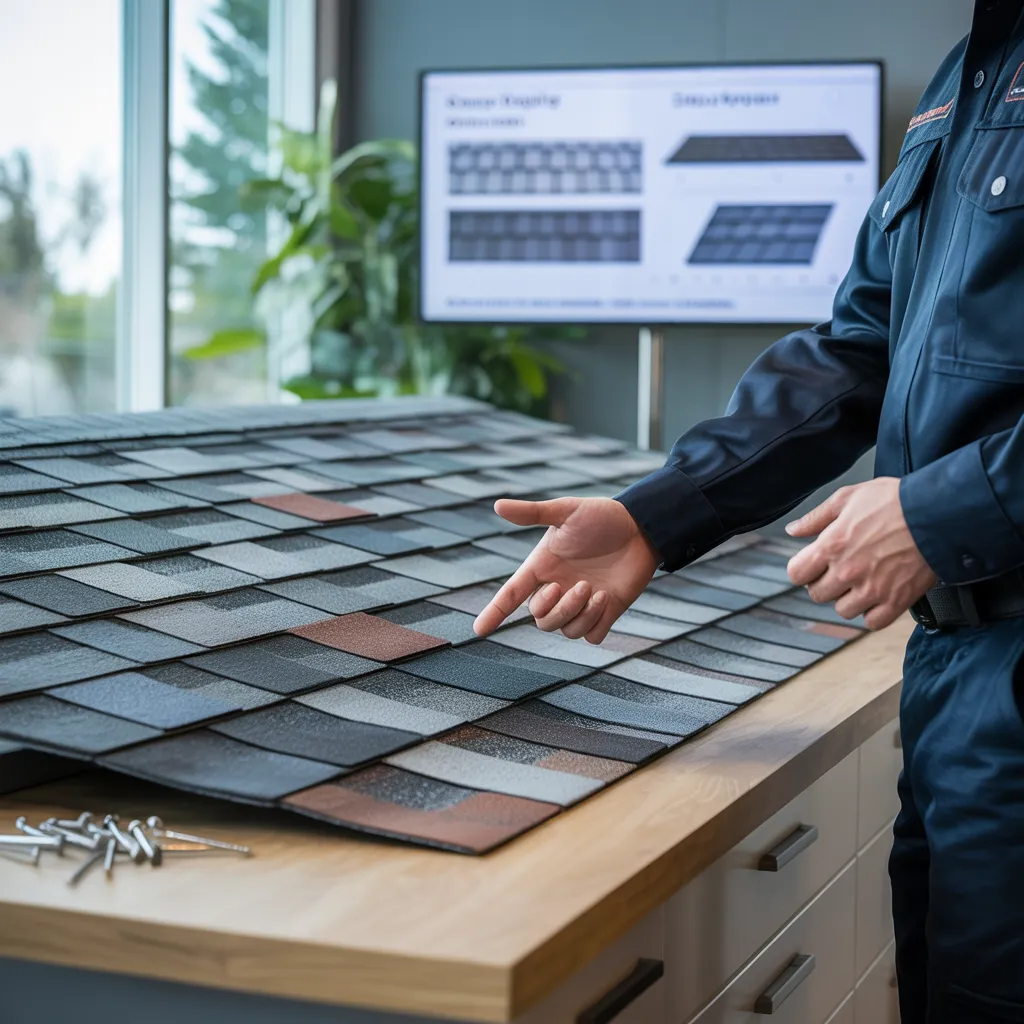
Frequent Signs That Your Roof Needs Attention
Homeowners ought to look out for multiple critical warning signs that signal a roof is in need of maintenance or repair. One major warning sign is the presence of missing or damaged shingles, which can expose the underlying materials to moisture. Additionally, dark patches or discoloration appearing on the roof can be an indication of leaks or water damage. Homeowners are advised to examine the attic for signs of moisture, mold, or sagging, as they are often signs of serious underlying structural concerns. An accumulation of shingle granules in gutters may be a sign of shingle wear and deterioration, while visible daylight through roof boards is often a sign of significant structural wear. An additional warning sign to consider is unexpectedly higher energy bills, which can stem from inadequate insulation or ventilation due to roof damage. Prompt attention to these signs may prevent further deterioration and reduce the cost of future repairs. Regular inspections and maintenance are essential to maintaining the long-term performance and integrity of a residential roof.
Understanding the Impact of Weather on Your Roof
While a roof is designed to withstand various weather conditions, its performance can be substantially affected by natural forces. Heavy rainfall, extreme temperatures, wind, and snow can lead to deterioration over time. To illustrate, prolonged exposure to sunlight can result in shingles becoming fragile and cracked, while an abundance of moisture can cause mold growth and rot.
Extremely cold temperatures can lead to ice dam formations, which obstruct adequate drainage and may force water to accumulate under roofing shingles. Furthermore, powerful wind gusts can displace roofing materials, leaving the underlying structure vulnerable to additional damage. Frequent weather changes can compromise seals and flashing, raising the likelihood of water infiltration.
Homeowners should remain vigilant, as climate-related damage can weaken the roof's overall condition. Identifying these effects promptly enables prompt corrective action, thereby extending the roof's durability and performance. Understanding the relationship between weather and roofing materials is critical for proper roof maintenance.
The Importance of Regular Roof Maintenance
Routine roof upkeep is critical for preserving the lifespan and efficiency of a roofing system, as neglecting this important upkeep can lead to costly repairs and premature deterioration. Routine inspections can identify minor issues before see information on this they escalate into major problems, protecting the roof's overall condition. Furthermore, routine servicing helps to avoid leaks, which can cause extensive damage to the interior of a home and compromise its structural integrity.
A clean roof is essential to its longevity, because accumulated debris traps moisture, causing mold to develop and roofing materials to deteriorate. Moreover, maintenance can enhance energy efficiency by ensuring adequate insulation and ventilation. Those who make regular roof maintenance a priority not only prolong the life of their roofs but also safeguard their investment, ultimately providing peace of mind. By coordinating routine inspections with a professional, homeowners can ensure their roofs stay in optimal condition, safeguarding their homes against the elements.
Essential Roof Inspection Safety Advice
Carrying out a roof inspection demands a thorough understanding of safety protocols to avoid accidents and injuries. First, individuals should outfit themselves with suitable safety gear, including a sturdy helmet, grip-enhanced shoes, and a harness. It is critical to examine the roof's condition before climbing; if it is deemed unstable or wet, delaying the inspection is recommended.
Employing a reliable ladder is critical; it should reach a minimum of three feet past the roofline to ensure safe entry. Three points of contact with the ladder should always be maintained by inspectors. While moving across the roof, people should steer clear of weak areas, such as areas with moss or sagging. Furthermore, the presence of a partner can improve overall safety, enabling prompt help when required. Lastly, becoming acquainted with local rules governing roof access is advisable to maintain regulatory compliance and limit dangers during the inspection procedure.
Repair or Replacement: Essential Factors to Consider
Deciding whether a roof should be repaired or replaced is a critical choice homeowners are confronted with when indicators of damage appear. Important factors to evaluate include the extent of the damage, the age of the roof, and the condition of the existing roofing materials. If the damage is confined to a specific area—such as a small number of missing shingles—repairing may be sufficient. However, if the roof is nearing the end of its lifespan or has widespread issues, a full replacement could prove more economical over time.
Homeowners should also evaluate the likelihood of ongoing problems and the economic consequences of either choice. Temporary fixes may result in greater costs if continued wear takes place. Furthermore, energy efficiency and aesthetic factors may factor into the determination, as a new roof can enhance a home's value and curb appeal. In the end, a thorough evaluation of these factors will help property owners determine the optimal decision for their particular circumstances.
When Is It Time to Call in the Roof Repair Experts?
When is it necessary for homeowners to seek the expertise of roof repair professionals? Residents should think about calling specialists when they spot clear signs of damage, including absent shingles, water infiltration, or drooping sections of the roof. Moreover, when water stains become visible on interior ceilings or walls, this suggests underlying roof concerns that require urgent attention. Property owners must remain alert following intense weather conditions, since strong winds and torrential rain can worsen pre-existing weak points.
Another important indicator is the presence of mold or algae growth, which can signal trapped moisture and require expert assessment. Should homeowners discover they are constantly fixing small problems, it may suggest deeper underlying problems. Ultimately, age becomes an important consideration; aging roofs approaching their expected lifespan frequently require a thorough professional inspection. Tackling these issues in a timely manner can prevent more significant damage and expensive repairs in the future.
Commonly Asked Questions
How Long Should I Expect My Roof to Last?
Most roofs are designed to last anywhere from 20 to 50 years, influenced by the type of materials and the level of upkeep. Elements like weather conditions, the quality of installation, and routine inspections play a significant role in determining its lifespan and effectiveness.
What Materials Are Best for Roofing Repairs?
Asphalt shingles, metal roofing, and rubber membranes are recognized as the most effective materials for roof repairs. These options offer durability, weather resistance, and cost-effectiveness, providing enduring protection and efficiency for a wide variety of roofing applications.
How Much Do Roof Repairs Typically Cost?
Roof repair costs generally range between $300 and $1,500, based on the extent of the damage and materials used. Factors such as geographic location, labor costs, and particular repair needs can considerably affect the total expense.
Can I Repair My Roof Myself?
Indeed, one can conduct roof repairs independently, as long as they have the required abilities and materials. Even so, safety precautions and a comprehensive knowledge of roofing materials are critical to secure durable and reliable repairs.
What Should I Do After a Storm?
After a storm , homeowners should inspect their roofs for noticeable damage , identify any interior leaks , document any issues with photographs , and look into hiring a qualified expert for a thorough assessment and required repairs to secure the safety of the property .